
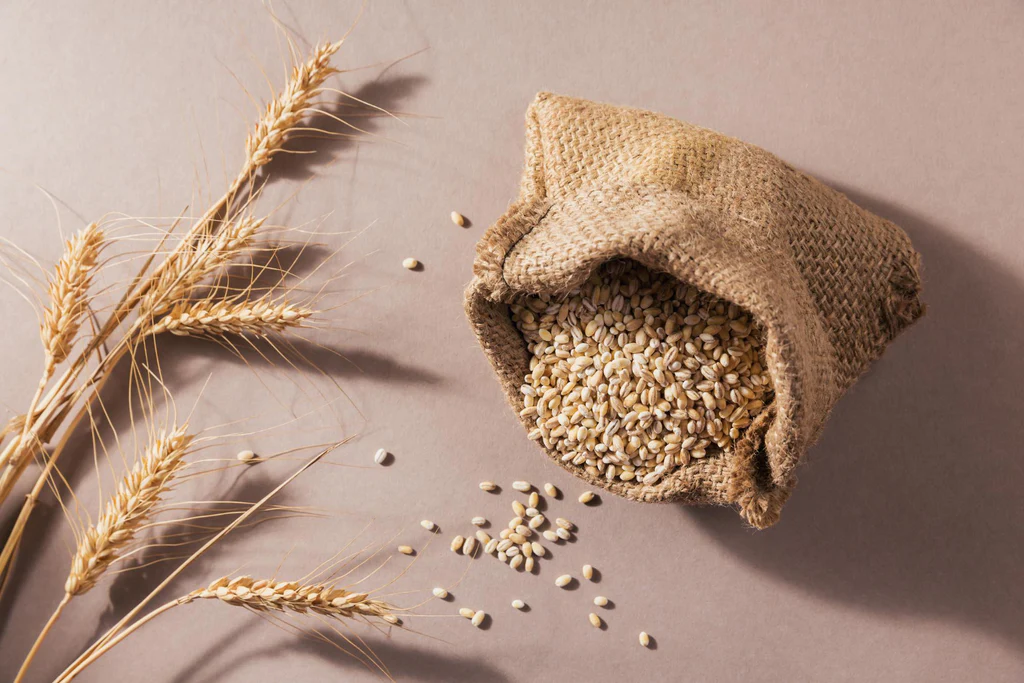

Wheat is Australia’s biggest grain crop and Australian growers produce an average of 25 million tonnes of wheat each year.
This accounts for 3% of the world’s wheat production and 10 to 15% of the world’s annual global wheat trade.
Wheat quality
Wheat quality refers to the performance of grain to meet the requirements of its use in flour milling, breads, noodles, cereals, pasta or animal feed. Quality is determined by the genetic attributes of the variety grown and the environmental conditions during crop growth.
Wheat Classification and Standards
Wheat classification measures the inherent qualities required for the grain’s end use, such as milling extraction, baking performance and noodle quality, and is assessed over multiple trials prior to the commercial release of a variety.
Wheat standards require the measurement of physical characteristics of the grain such as protein, moisture, test weight and screenings along with minimum acceptable contaminants and defects. Compliance with the GTA Wheat Standards is based on post-harvest testing.
The Many Uses of Wheat
- Animal feed:
- A portion of wheat production is allocated for animal feed, particularly for poultry and livestock.
- Wheat middlings, a byproduct of flour milling, are commonly used in animal feed due to their high protein content.
- Biofuel:
- Wheat can be used to produce ethanol, a biofuel that can replace or supplement gasoline.
- In 2020, around 5% of global wheat production was dedicated to ethanol production
- Bioplastics:
- Wheat straw and chaff can be used as a raw material to create biodegradable plastics.
- These bioplastics offer an environmentally friendly alternative to traditional petroleum-based plastics.
- Paper production:
- Wheat straw can be used in paper production as an alternative to wood pulp.
- This helps reduce deforestation and contributes to more sustainable paper production.
- Construction materials:
- Wheat straw can be processed into building materials like straw bale and particleboard.
- These materials offer insulation, soundproofing, and environmental benefits compared to conventional construction materials.
- Industrial absorbents:
- Wheat straw and chaff can be used as absorbent materials for oil spills and other industrial applications.
- They provide a natural and cost-effective alternative to synthetic absorbents.